
A historic bus depot might soon transform into a memorial site honoring enslaved and free Africans, telling a special story of American history in Harlem.
Uncovering Harlem’s Forgotten History
On East 126th Street, between 1st and 2nd Avenues, lies a vacant building that once housed a bus depot built in 1947 in Harlem. Beneath its foundation, archaeologists believe, is one of New York City’s original burial grounds for enslaved and free Africans. Despite its deep historical significance, many residents and passersby remain unaware of the site’s past. The Harlem African Burial Ground initiative aims to change that narrative and preserve this sacred space as a physical historic site.
“This project will highlight the contributions of free and enslaved Africans at this location,” said Saradine Pierre, Senior Project Manager at the New York City Economic Development Corporation (NYCEDC).
Never miss new stories in Harlem
“… preserving the area and spurred community efforts to memorialize it.”
The Discovery That Sparked Action
In 2015, archaeologists commissioned by NYCEDC uncovered over 140 fragments of human remains at the site, believed to be of African descent. “That helped us prove the burial ground existed at this location,” Pierre added. This discovery solidified the importance of preserving the area and spurred community efforts to memorialize it.
Community Vision for Memorialization
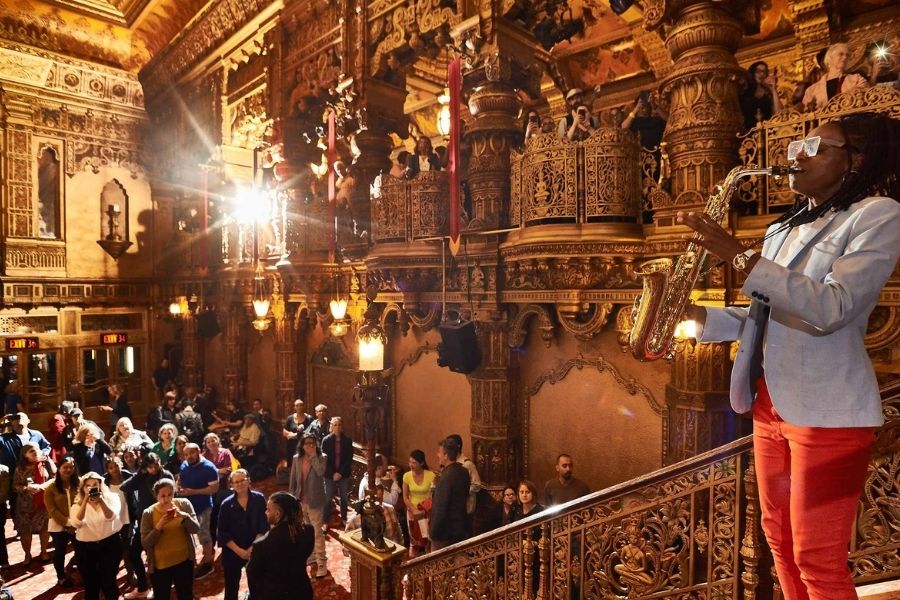
On Monday evening, community members and project leaders gathered at City College’s Spitzer School of Architecture to brainstorm ideas for honoring the burial ground. The meeting brought together architects, designers, elders, and younger generations to envision how this sacred space could serve as a living memorial.


“… elders, designers, architects, and our next generation shape the future of this site.”
“We need to ensure the burial ground is treated with the respect it deserves,” said Marta Gutman, Dean of the Spitzer School of Architecture. Jerome Haferd, an assistant professor at the school, emphasized the importance of multigenerational collaboration: “The goal is to have elders, designers, architects, and our next generation shape the future of this site.”
A Central Place for Reflection and Education
For Harlem native Ayana Ricco, this initiative represents more than just local history—it’s a testament to the significance of African heritage in New York City and beyond. “It reminds us that we had significance from way back when,” Ricco said.
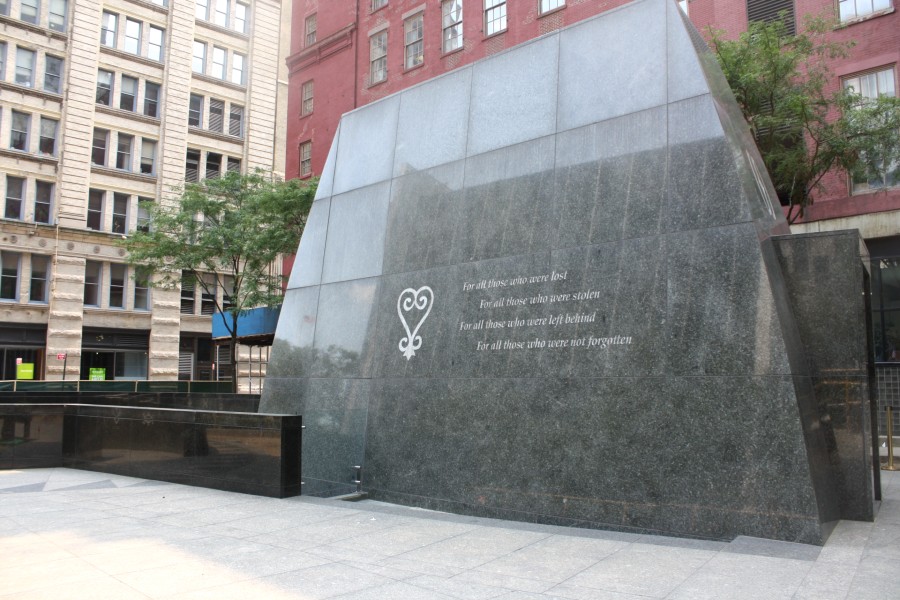
Rodney Leon, designer of the African Burial Ground Memorial in Lower Manhattan completed in 2007, echoed similar sentiments: “This project allows us to deepen our connection with Harlem’s African burial ground and share its story with the world.”
Looking Ahead
While construction timelines remain uncertain, leaders expect work on the memorial to begin within the next five years. In its early stages, project organizers are calling on Harlem community members to participate in shaping its future phases.
“This is not just about preserving history—it’s about continuing multigenerational conversations within our families,” said Sylvia White, a Harlem resident involved in the initiative.
As plans unfold, Harlem’s African Burial Ground will become a powerful symbol of remembrance and resilience—honoring those buried there while educating future generations about their enduring legacy.
Latest Posts
- Anthropic Seeks Up To 450,000 Square Feet From Harlem To Houston
- Home Sales From Harlem To Hawaii Hit 3-Year High As Delayed Economic Data Shows Resilience
- Lawmakers Push $250M Boost For New York’s Harlem To Hollis Lifeline Housing Voucher Program
- Sponsored Love: How To Check A Used Car History
- Plan A Harlem Family Trip On A School Break
Become a Harlem Insider!
From history to today’s headlines—everything Harlem, in your inbox.